
Issues
Issues
Issues
We define community broadly and engage in communities of many kinds. Pieces are arranged topically and the list of issue topics is continually expanding.

Posted in: Children, Youth and Families, EducationPublished in: The Community PsychologistCollaboration between school-based health centers and community nonprofits through a shared-staffing model provides organizational enhancement, assists in academic attainment, improves health outcomes, and affirms belonging, a crucial developmental attribute for historically marginalized youth.

Posted in: Criminal Justice, Marginalized GroupsPublished in: The Community PsychologistServe & Connect has a mission to ignite positive change and strengthen communities through building positive police and community partnerships. Read more on how Serve & Connect has developed a comprehensive, evidence-informed, community-centered model for promoting safety, resilience, and well-being to facilitate positive community level change through effective community collaboration.

Posted in: Blog, History of Community PsychologyCrucial concepts in the field from a Community Psychologist teaching the subject.

Posted in: Education, Mental Health | Tags: PracticePublished in: American Journal of Community PsychologyMost school programs are individual and group-based interventions. Classroom-based and school-wide programs remain largely untested yet remain promising.

Posted in: Children, Youth and Families, Marginalized Groups, Prevention ScienceReligion and religious institutions provide a wide range of resources including support to reduce sexual risk behavior.

Posted in: Immigrant Justice, Marginalized GroupsPublished in: American Journal of Community PsychologyAutochthony [aw-tok-thon-ey] is a sense of belonging originating from historical nativeness. The idea that “we were the first to arrive” promotes the emergence of a sense of ownership, which may have a negative impact on newcomer migrant groups.

Posted in: Children, Youth and Families, Marginalized Groups, Poverty and Socioeconomic StatusPublished in: American Journal of Community PsychologyYouth may define their neighborhood differently than where they reside and may feel greater community engagement and ownership in the neighborhood that hosts their activities. Interventions can more effectively target youth within their perceived community space.

Posted in: Healthcare, Marginalized Groups | Tags: ResearchResearch and evaluation can be pursued collaboratively with greater shared power between community and university partners.

Posted in: Marginalized Groups, Public PolicyPublished in: American Journal of Community PsychologyProposed human trafficking laws may be most successful in using research to guide the use of trauma-informed practice.
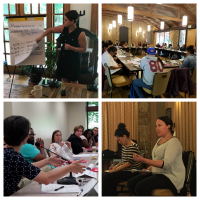
Posted in: Healthcare, Marginalized GroupsHealth providers can be better allies to communities through community organizing. Community coalitions can build capacity with health providers.