
Amber Kelly
Blog


Posted in: Blog, EnvironmentPublished in: The Community PsychologistLand reclamation can empower communities, reconnect people to land, and grow towards community liberation and autonomy. Communities are able to partake in revolutionary acts of autonomy and reclamation through the actions of physically reclaiming land in urban landscapes by eradicating colonizer plants with those plants that are Indigenous to their environments.
Posted in: Blog, Marginalized GroupsPublished in: The Community PsychologistHow pronouns are addressed can seriously impact a student’s well-being. I provide some considerations for how an instructor or mentor might approach pronoun disclosure with the goal of increasing comfort and decreasing coercion, based on the experiences of six trans undergraduate students who advised these recommendations through qualitative interviews and text submissions, and my own […]
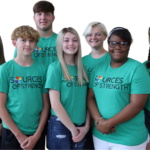
Posted in: Children, Youth and Families, Coalition Building, Mental HealthThis project and study incorporate community members and students into a decision-making process to guide community-level mental health interventions for youth. The CBPR method encourages agency and decision-making power. Community involvement may lead to greater community connectedness.

Posted in: Anti-RacismPublished in: Global Journal of Community Psychology PracticePuerto Ricans can be challenged with their African ancestry. Researchers wrestled with memories of childhood, oral traditions of ancestry, historical evidence, and live observations towards Blackness on the island. Narrative evidence contributes to the challenges of unlearning anti-Blackness in the lands that have thrived because of the Transatlantic slave trade.
Posted in: History of Community PsychologyA free e-Textbook providing examples of Community Psychology practice. Case studies highlight transformational work happening in communities globally. Students say, “The book is helpful in moving theory to practice.”
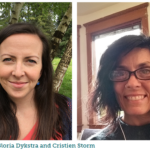
Posted in: Anti-RacismPublished in: Global Journal of Community Psychology PracticeWhite bodied peoples can challenge racist status quos through culture-building and anti-racist curiosity. Relational and group work is necessary to build individual and group resiliency. Professionals attempting to do anti-racist community development must be willing to reflect on the ways in which they are responsible for anti-racist work.
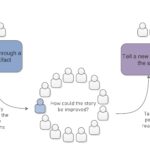
Posted in: Children, Youth and Families, Education | Tags: Global Journal of Community Psychology PracticeCommunity digital storytelling is a form of action research that can effectively communicate different perspectives. We created a model for interventions that combine digital storytelling, narrative inquiry, and facilitated peer-to-peer work to create a space for collective empowerment.

Posted in: Marginalized GroupsPublished in: American Journal of Community PsychologyRepeated exposure to micro-aggressions can have a negative impact on psychological and physical health. Expanding collective organizational capacity to address bias in respectful ways (by promoting active bystanders) has been shown to have an empowering impact and to foster more equitable workplaces.

Posted in: Anti-RacismThe W.K. Kellogg Foundation and led by Community Science provides three easy-to-use resources help evaluators integrate racial equity principles into their daily work.
Posted in: Rural CommunitiesPublished in: The Community PsychologistRural areas can be both food deserts and food swamps, A deficiency in the number of food resources (e.g., grocery stores) and saturation of unhealthy food options (e.g., fast-food restaurants and convenience stores) has led to an increase in obesity rates in rural communities. People who have less access to convenience stores have been shown […]