
Amber Kelly
Blog


Posted in: Violence PreventionChildren are often the unheard voices of domestic violence. Screening mothers for the impact of domestic violence on their kids is one way to connect kids with appropriate DV services in the community.

Posted in: Children, Youth and Families, Criminal Justice, Marginalized Groups, Poverty and Socioeconomic StatusPublished in: American Journal of Community PsychologyMany African American adolescents living in low-resourced urban neighborhoods experience high exposure to community violence. Exposure may vary over time and be influenced by individual- and contextual-level factors. Identifying specific risk factors associated with more chronic and severe exposure may guide preventive intervention efforts.
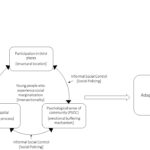
Posted in: Children, Youth and Families, Marginalized GroupsPublished in: American Journal of Community PsychologySocial policing may inhibit young people from feeling welcome and safe and connecting with their peers and adults in the community who can support them. Third places are public settings that foster sociability and can support young people who experience marginalization.

Posted in: Marginalized GroupsPublished in: The Community PsychologistTo help immigrants experiencing discrimination in their communities, the authors describe ways to recognize oppression, look for resistance, listen and learn, look to models, provide resources, use power wisely, make space, honor diverse roles, act in solidarity, look in the mirror, and be willing to reflect and change.
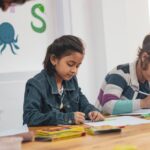
Posted in: Children, Youth and FamiliesWithin general classrooms, stigma continues to harm the social-emotional health and academic ability of students with learning disabilities. There is strong empirical evidence to support that inclusive classrooms are more conducive to the social, behavioral, and academic success of students with LD.
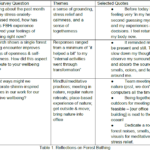
Posted in: Environment, Mental HealthPublished in: The Community PsychologistA Forest Bathing mini-retreat can inspire us in at least two ways – gratitude and relationships. We can collectively express gratitude for the experience of forest bathing in the moment and for sharing time in-person with co-workers and friends who have scarcely been seen since the onset of the COVID-19 pandemic. Congregating safely in a […]
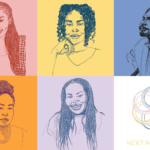
Posted in: Anti-Racism, Marginalized GroupsAlternative settings, like CBTL can provide relational healing spaces grounded in collectively held values of care, recognition, and reciprocity. CBTL exists within contexts of race and coloniality, but seeks to form solidarities, broader practices, and ways of relating within creative industries.
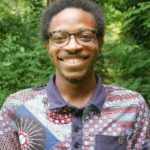
Posted in: Anti-Racism, Inspiration | Tags: Living Community PsychologyPublished in: The Community PsychologistDominique Thomas is an early career Community Psychologist, that brings to his work lived experience, both as a black person and raised within a lower-income family. Surrounded by a supportive village of nurturing teachers and a determined grandmother, and being named “gifted” early, he has been able to succeed academically. Nevertheless, his early disadvantages can […]

Posted in: Children, Youth and Families, Marginalized GroupsPublished in: Global Journal of Community Psychology PracticeLatinx high school students co-create and co-lead a course focused on identity and social action providing an example for others creating transformative educational opportunities for marginalized students.
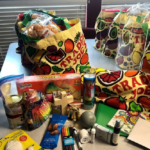
Posted in: Aging, Marginalized GroupsPublished in: The Community PsychologistOlder individuals, already susceptible to isolation, are faced with social disparities stemming from loss of connection and social isolation during COVID-19. Here is how Conversaciones con los Abuelos helped.