Marginalized Groups
Issues
Marginalized Groups
We believe that historical injustices create multi-generational patterns of discrimination. Much of Community Psychology injects this perspective within their work on every topic. Some research focuses exclusively/primarily on groups impacted by injustice and marginalization.


Posted in: Children, Youth and Families, Marginalized Groups, Poverty and Socioeconomic StatusPublished in: American Journal of Community PsychologyYouth may define their neighborhood differently than where they reside and may feel greater community engagement and ownership in the neighborhood that hosts their activities. Interventions can more effectively target youth within their perceived community space.

Posted in: Healthcare, Marginalized Groups | Tags: ResearchResearch and evaluation can be pursued collaboratively with greater shared power between community and university partners.

Posted in: Marginalized Groups, Public PolicyPublished in: American Journal of Community PsychologyProposed human trafficking laws may be most successful in using research to guide the use of trauma-informed practice.
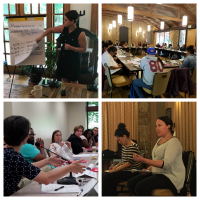
Posted in: Healthcare, Marginalized GroupsHealth providers can be better allies to communities through community organizing. Community coalitions can build capacity with health providers.

Posted in: Marginalized Groups, Mental Health | Tags: ResearchPublished in: Global Journal of Community Psychology PracticeWe can use lived experience to generate strategies to enhance the mental health and well-being of men of color.

Posted in: Blog, History of Community Psychology, Marginalized GroupsPublished in: The Community PsychologistFan activism is a new area of interest that looks at how organized communities of fans come together to take action in promoting diversity, education and other focal community psychology topics.

Posted in: Marginalized Groups, Poverty and Socioeconomic Status, Public Policy | Tags: ResearchFood insecurity is related to poor nutrition and many other negative health outcomes. Food banks can and should implement nutrition policies.
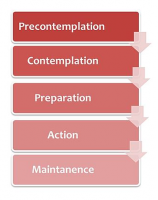
Posted in: Aging, Marginalized GroupsThe Transtheoretical Model (TTM) is a theory to explain how people change behavior; outlined in five stages of change; pre-contemplation, contemplation, preparation, action, and maintenance.

Posted in: History of Community Psychology, Inspiration, Marginalized Groups | Tags: Living Community PsychologyChris Nettles was profiled in Spring 2013 as an advanced clinical/community graduate student who was completing a self-designed community/clinical internship.
Posted in: Housing, Inspiration, Marginalized GroupsPublished in: The Community PsychologistGentrification–commonly understood as the transformation of areas with high levels of affordable housing into areas targeting middle and upper income uses— provokes a range of losses.