
Amber Kelly
Blog


Posted in: Children, Youth and Families, Criminal JusticePublished in: American Journal of Community PsychologyYouth are not best served in JDC environments and should be diverted to community-based and therapeutic environments whenever possible. Girls’ feedback through a confidential youth advisory process prompted systemic change better suited to meet their needs.

Posted in: Blog, Public PolicyPublished in: The Community PsychologistCommunity Psychology aims to use research and action to promote positive change at the individual and systemic levels. Here is how I used Community Psychology values to help influence two major Michigan initiatives.

Posted in: Mental HealthPublished in: American Journal of Community PsychologyMarginalized groups use social media to build social capital and form communities. Social media can be a valuable resource for people experiencing mental illness, but the support experienced online varies among #hashtag communities on Tumblr.
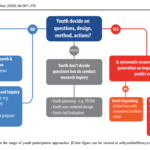
Posted in: Children, Youth and FamiliesPublished in: American Journal of Community PsychologyThere are many commonalities among Community-Psychology-informed youth participatory approaches. However, approaches differ on the level of emphasis on research to inform action, how much decision-making power young people have throughout the process, and the role and power of adults.

Posted in: Housing, Substance UsePublished in: American Journal of Community PsychologyThe social environment may be a more important influence on substance abuse recovery than previously recognized. Recovery can be strongly influenced by others with whom the recovering individual has regular social contact, whether for good or for bad.

Posted in: Children, Youth and Families, Criminal JusticePublished in: American Journal of Community PsychologyTreatments and programs in the juvenile justice system may not work as well for girls as they do for boys. Rehabilitation programs must be understood in context including different program format types (individual, group, family) and program emphases (cognitive, behavioral, family systems).

Posted in: Sense of CommunityPublished in: American Journal of Community PsychologyEmerging adults reflect on social issues broadly and think critically about how and when to become involved in action. This work can inform strategies to engage individuals in social justice efforts aimed at creating social change across the life-span.

Posted in: Marginalized GroupsPublished in: American Journal of Community PsychologyPeople who identify as LGBT are more likely to experience psychological distress than their heterosexual peers. Participating in LGBT-related civic and advocacy may foster connection among LGBT people, which may in turn support their well-being.

Posted in: Marginalized GroupsPublished in: American Journal of Community PsychologyUsing visual and creative methods, we can engage people in thinking about social justice and their place and responsibilities within it. Art can be an engaging way to encourage people with privilege to work towards social justice.

Posted in: Children, Youth and Families, Criminal JusticePublished in: American Journal of Community PsychologyFamily-based interventions have the potential to reduce recidivism in girls. Contextual factors such as poverty, an unstructured home life, domestic violence, and neglect must be addressed in successful interventions.