
Amber Kelly
Blog


Posted in: Immigrant Justice, Marginalized Groups, Public PolicyPublished in: American Journal of Community PsychologyA summary of the Incarceration of Undocumented Families: A Policy Statement by the Society for Community Research and Action: Division 27 of the American Psychological Association from Rachel Storace “The current U.S. immigration policies and their enforcement have detrimental effects on migrant adults, children, families, and communities” In March of 2016, the Society for Community Research […]
Posted in: History of Community PsychologyPublished in: American Journal of Community Psychology“It was an exciting time… They [Swampscott conference participants] wanted to intervene in social problems that were not explicitly mental health in nature, and that’s why they talked about becoming “social change agents” – a vision that was a sea change for American psychology.”

Posted in: Education, Veterans | Tags: Practice, ResearchIn this participatory action research study, student veterans at a small midwestern community college collaborated to develop engaging programs and resources for veterans transitioning from soldier to student. Most notably, the veteran group worked with college administration as well as veteran organizations and community partners to develop a Veterans Resource Center (VRC) on campus.

Posted in: Poverty and Socioeconomic Status | Tags: ResearchPublished in: American Journal of Community PsychologyCan the income-level of the people we share our neighborhoods with affect our health? Does the income-level of our neighbors shape how we perceive our own social status?

Posted in: Children, Youth and Families, Marginalized Groups, Sense of CommunityPublished in: Global Journal of Community Psychology PracticePhotovoice increased the level of psychological sense of community and the wish for future participation in a group of teenagers who live in a vulnerable, multicultural neighborhood in southern Spain.

Posted in: Children, Youth and Families, Criminal Justice, Education | Tags: PracticeJudith Meyers, Jeana Bracey, and Jeffery Vanderploeg, with Ashley Simons-Rudolph “By diverting youth from juvenile justice involvement and connecting them to resources that address the underlying issues that contribute to challenging behaviors, there is a triple benefit of better outcomes for youth, better outcomes for schools, and significant cost savings.” The Connecticut School-Based Diversion Initiative […]

Posted in: Children, Youth and Families, Education, Violence Prevention | Tags: ResearchPublished in: American Journal of Community PsychologyThe researchers evaluate the WITS Program (Walk Away, Ignore, Talk it Out, Seek Help), which provides student, parents, and school administrators a common language to encourage prosocial behavior.

Posted in: Coalition Building, Prevention Science | Tags: ResearchWhat is left after the funding ends, staff leave, and programming decreases? Can we build coalitions that survive and even thrive after the research study? The answer is a resounding “yes!” We provide some key elements of sustainable coalition building.

Posted in: Children, Youth and Families, Criminal Justice, EnvironmentPublished in: The Community PsychologistThe SCRA Social Justice Mini-grant program provided seeds for the development of a vegetable garden for youth at a detention center (Boy’s Totem Town) located St. Paul, MN. Beginning in May 2017, youth participated in a vegetable garden program that taught them the principles of environmental sustainability, healthful and nutritious diets, and responsible ecological practices.
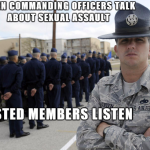
Posted in: Veterans, Violence Prevention | Tags: ResearchPublished in: American Journal of Community PsychologyThe United States Department of Defense (DOD) began organizational-wide sexual assault training in 2005. Holland et al. (2014) studied whether the training received predicted accurate knowledge of sexual assault resources and protocols and lower incidence of sexual assault, whether training differed across branches and ranks, and whether service members’ judgments of training effectiveness differed.