
Amber Kelly
Blog


Posted in: Healthcare, Marginalized GroupsPublished in: American Journal of Community PsychologyCritical Conscious-ness Theory and Community Based Participatory Results can help communities address health disparities. The HEAL lab provides a support network and engages diverse stakeholders in critical reflection as they participate in research to advance health equity.
Posted in: Marginalized Groups, Poverty and Socioeconomic Status, Prevention SciencePublished in: American Journal of Community PsychologyDifferential access to social, economic, and environmental supports puts communities at risk for disparities in health and well‐being. CBPR is a promising approach to address the social determinants of health.

Posted in: Coalition BuildingA controversial urban project in Sao Paulo, Brazil was re-located through community-based power. With support, communities can influence public decisions.
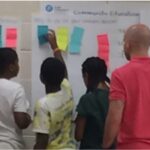
Posted in: Children, Youth and FamiliesPublished in: Journal of Participatory Research MethodsMeaningfully engaging youth in research, evaluation, and practice is important. We examined the value of Youth GO as an emerging participatory qualitative method to engage youth in collecting and analyzing data.

Posted in: Children, Youth and Families, Coalition Building, Marginalized GroupsPublished in: The American PsychologistMost adults report at least one ACE and ACEs disproportionally impact marginalized communities. Supporting community resilience helps promote child development within families, peer groups, schools, and communities.

Posted in: Criminal Justice, Marginalized GroupsPublished in: American Journal of Community PsychologyJuvenile offending is not simply the outgrowth of “poor choices”. Rather, antisocial behavior may reflect adolescents’ views of unfairness and injustice within the legal system and the world at large.

Posted in: Marginalized Groups, Mental HealthPublished in: American Journal of Community PsychologyBoth subtle and overt discrimination negatively impact Muslim women’s mental health. Applying Microaggression and Intersectionality Theories can help untangle the complex experiences of Muslim women so that we can address the negative consequences of discrimination.

Posted in: Immigrant Justice, Mental HealthPublished in: American Journal of Community PsychologyThe lack of attention to increasing LatinX immigrant health inequities created by system-level factors has created a public mental health crisis that calls for innovative strategies to support immigrant families and the community-based organizations that serve them. It is critical to focus on building capacity within community-based organizations (CBOs) that immigrant families already access.

Posted in: Criminal Justice, Immigrant JusticeWhile there is a long history of cooperation between local police and sheriffs and federal immigration agents in the United States, the issue has more recently become a source of conflict. Local police and sheriffs are increasingly seen as “force multipliers” for the federal government causing some backlash at a time when many are calling […]
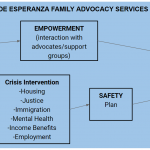
Posted in: Coalition Building, Marginalized GroupsPublished in: Global Journal of Community Psychology PracticeInterventions to reduce negative effects of domestic violence are highly context dependent. Latina DV survivors face unique socio-cultural barriers when seeking services. Community-based resources can be supported by collaborative academic partnerships to strengthen the evaluation component of the work.